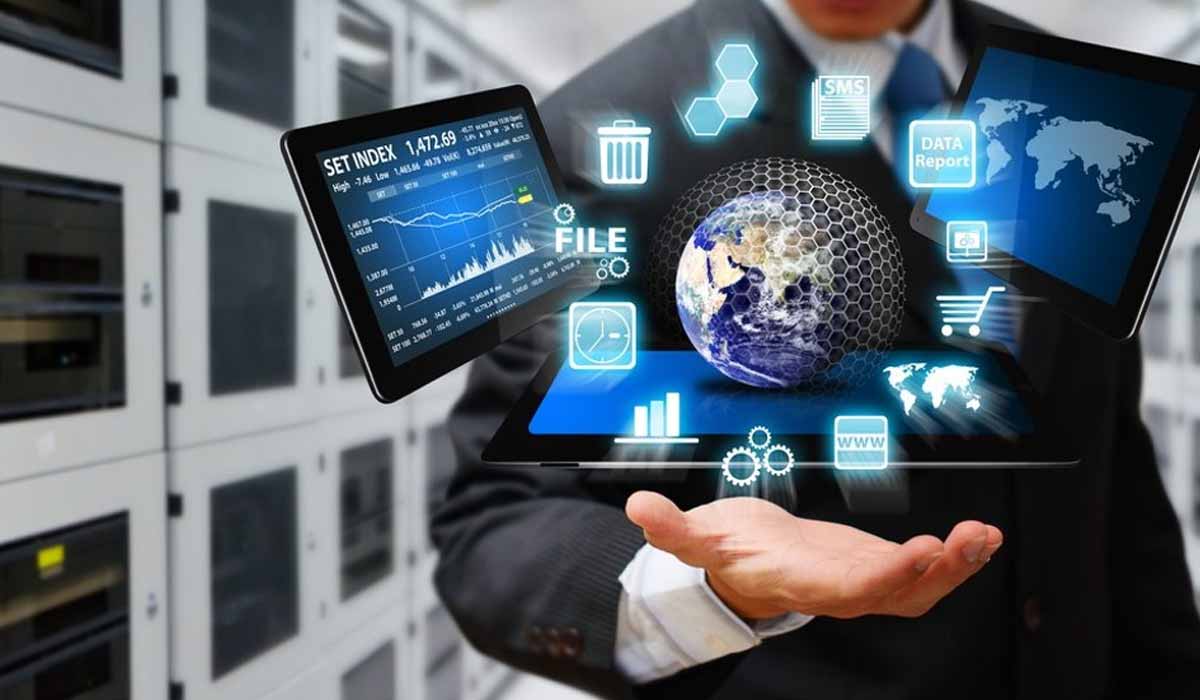
How Technology Is Secretly Transforming Successful Businesses!
Explore how IT and technology drive business growth through digital transformation, data analytics, AI, cybersecurity.
Modern businesses rely heavily on information technology to remain competitive and efficient. Companies across industries integrate digital tools into their operations to improve productivity, enhance customer experiences, and drive innovation. Technology no longer serves as a support system; it acts as a core driver of business strategy.
Digital Transformation Strategy
Digital transformation reshapes how businesses operate and deliver value. Companies adopt digital tools to streamline processes, reduce costs, and improve efficiency. This shift requires a clear strategy and commitment from leadership.
Organizations must evaluate their current systems and identify areas for improvement. Cloud computing, automation, and digital platforms often play key roles in transformation efforts. These tools enable faster decision-making and better collaboration.
Successful transformation also involves cultural change. Employees need to adapt to new technologies and workflows. Training and continuous learning ensure that teams maximize the benefits of digital solutions.
Data Analytics and Business Intelligence
Data has become one of the most valuable assets in modern business. Companies collect and analyze data to gain insights into customer behavior, market trends, and operational performance. This information supports smarter decision-making.
Business intelligence tools help visualize data in meaningful ways. Dashboards and reports allow managers to track key performance indicators in real time. This visibility improves planning and execution.
Predictive analytics takes data usage further. Businesses can anticipate future trends and make proactive decisions. This capability reduces risks and creates opportunities for growth.
Also Read: Monas Market Madness: 100,000 Free Grocery Coupons Spark Massive Crowd!
Automation and Artificial Intelligence
Automation simplifies repetitive tasks and increases efficiency. Businesses use software and systems to handle routine processes such as data entry, customer support, and inventory management. This approach saves time and reduces human error.
Artificial intelligence enhances automation by adding intelligence to systems. AI can analyze data, recognize patterns, and make decisions. This technology improves accuracy and speeds up operations.
Companies also use AI for customer engagement. Chatbots and virtual assistants provide instant responses and support. These tools enhance customer satisfaction while reducing operational costs.
Cybersecurity and Data Protection
As businesses rely more on technology, cybersecurity becomes a top priority. Protecting sensitive data from cyber threats ensures business continuity and customer trust. Companies must implement strong security measures.
Firewalls, encryption, and secure networks form the foundation of cybersecurity. Regular updates and monitoring help prevent vulnerabilities. Businesses must stay proactive in addressing potential threats.
Employee awareness also plays a critical role. Training staff to recognize phishing and security risks reduces the chances of breaches. A comprehensive approach ensures stronger protection.
E-Commerce and Digital Marketing Integration
E-commerce platforms allow businesses to reach global markets. Companies can sell products and services online without geographical limitations. This expansion increases revenue opportunities.
Digital marketing complements e-commerce by driving traffic and engagement. Strategies such as SEO, social media, and email campaigns attract potential customers. These methods create a strong online presence.
Integration between e-commerce and marketing tools enhances efficiency. Businesses can track customer behavior and optimize campaigns. This synergy leads to higher conversion rates and better customer experiences.
- First Image from linkedin.com
- Second Image from goldstarit.com