The Future of Technology: 5 Innovations That Will Completely Change Our Lives
Discover how emerging technologies like artificial intelligence, cloud computing, and cybersecurity are shaping the future of business.
Technology has become the backbone of modern civilization. From the way we communicate and work to how businesses operate and governments manage data, information technology now plays a crucial role in almost every aspect of life. Over the past two decades, rapid innovation has accelerated digital transformation across industries, making technology more powerful, accessible, and essential than ever before.
The following Lucknow Career & Business Network will discuss about Discover how emerging technologies like artificial intelligence.
The Rise of Artificial Intelligence
Artificial Intelligence (AI) has emerged as one of the most transformative technologies of the 21st century. AI systems can analyze large datasets, recognize patterns, and make predictions with impressive accuracy. These capabilities allow organizations to automate complex tasks that once required human intelligence.
In industries such as healthcare, finance, and manufacturing, AI is already improving productivity and decision-making. For example, hospitals use AI algorithms to assist doctors in diagnosing diseases, while financial institutions use machine learning models to detect fraud and manage investment strategies.
Despite its benefits, the growth of AI also raises important ethical and social questions. Issues such as data privacy, algorithm bias, and the potential impact on employment must be addressed carefully to ensure that AI development remains responsible and beneficial to society.
Cloud Computing and Digital Infrastructure
Cloud computing has fundamentally changed how businesses store, manage, and access data. Instead of relying on expensive physical servers, organizations can now store information in cloud-based systems that are scalable, secure, and accessible from anywhere in the world.
This shift has allowed companies of all sizes to adopt advanced digital tools without massive upfront investment. Small startups can now access the same computing power that was once available only to large corporations. As a result, innovation and entrepreneurship have become more accessible than ever.
Furthermore, cloud technology supports remote work and global collaboration. Teams located in different countries can share files, run applications, and communicate seamlessly through cloud platforms, making modern workplaces more flexible and efficient.
The Growing Importance of Cybersecurity
As digital systems become more integrated into everyday life, cybersecurity has become a critical concern for both individuals and organizations. Cyberattacks such as data breaches, ransomware, and phishing scams are increasing in frequency and sophistication.
Businesses must invest heavily in security technologies to protect sensitive information from malicious actors. This includes implementing encryption systems, multi-factor authentication, and advanced monitoring tools that can detect threats in real time.
For individuals, cybersecurity awareness is equally important. Simple practices such as using strong passwords, avoiding suspicious links, and regularly updating software can significantly reduce the risk of becoming a victim of cybercrime.
The Impact of Automation and Robotics
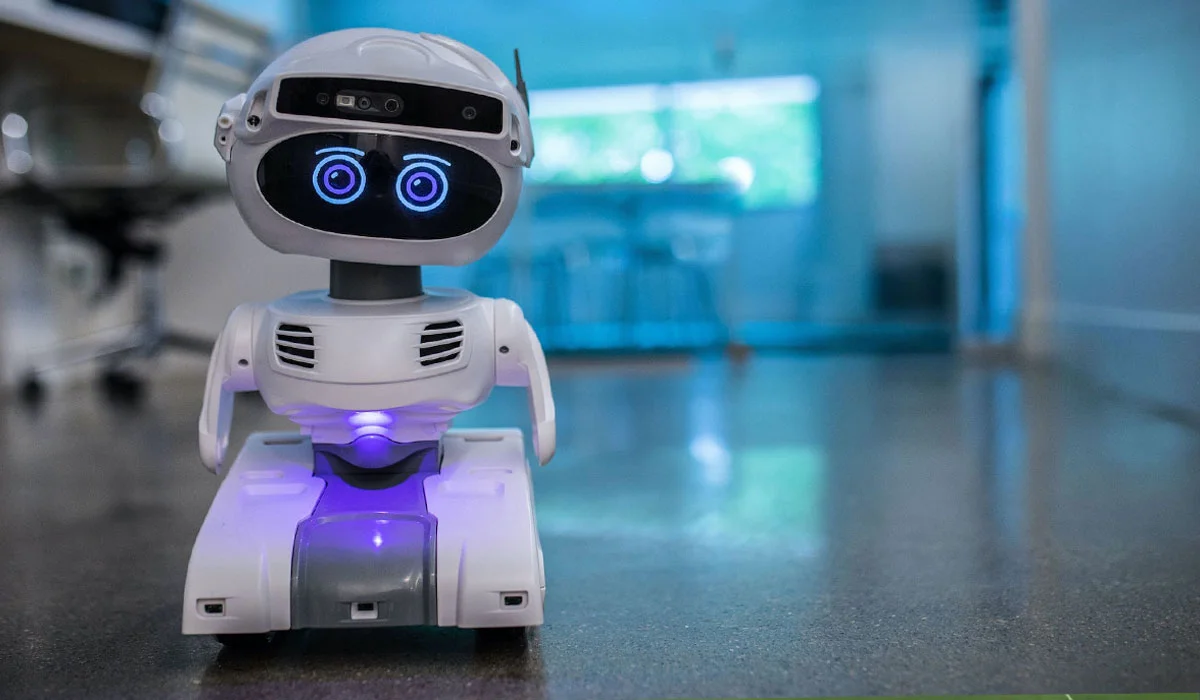
Automation and robotics are transforming industries by increasing efficiency and reducing operational costs. Machines can now perform repetitive tasks faster and more accurately than humans, allowing workers to focus on more complex and creative responsibilities.
In manufacturing, robotic systems assemble products with remarkable precision. In logistics, automated warehouses use intelligent machines to sort and transport goods efficiently, reducing delivery times and improving supply chain management.
However, the rise of automation also requires workforce adaptation. Many jobs will evolve rather than disappear, meaning workers must develop new digital and technical skills to remain relevant in an increasingly automated economy.
The Future of Technology and Innovation
Looking ahead, technological innovation is expected to accelerate even further. Emerging fields such as quantum computing, augmented reality, and advanced biotechnology promise to unlock capabilities that were once considered science fiction.
Governments and organizations around the world are investing heavily in research and development to stay competitive in the global technology race. Countries that successfully build strong digital ecosystems will likely lead the next wave of economic growth and innovation.
Ultimately, technology will continue to shape the way people live, work, and interact with the world. By understanding these trends and adapting to them responsibly, society can harness the power of innovation to create a smarter, safer, and more connected future.
- Main Image from Vocal Media
- Second Image from Forbes