Smart Technology that Makes Human Life Easier
Learn the benefits of smart technology that increases the efficiency of daily activities, helps with work, and brings comfort to human life.
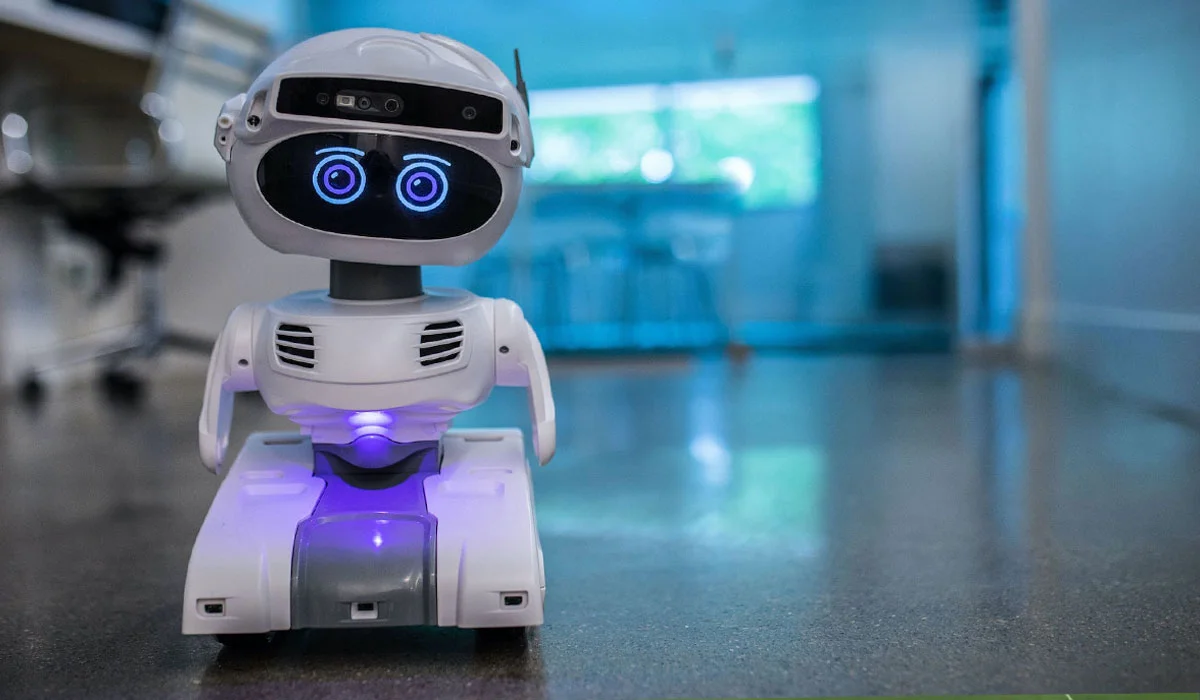
Technology is a collection of tools, systems, and innovations created by humans to make work easier, increase efficiency, and support various life activities. Below, Lucknow Career & Business Network will discuss various forms of smart technology that play a big role in making everyday human life easier.
Smart Home Devices Enhance Convenience
The development of smart home devices offers significant convenience in automatically and efficiently managing various daily household needs. Various automated systems now allow for adjustments to lighting, room temperature, and even home security simply through digital devices connected to the internet.
Technology has introduced remote control systems that allow residents to control home devices without having to be in the same location. Examples of these applications include automatic lights that adjust light intensity according to the time of day, digital door locks with security sensors, and intelligent climate controls.
These innovations not only enhance comfort but also help save energy and simplify home supervision. With increasingly practical management, smart home systems have become an essential part of modern life, emphasizing efficiency and security in daily activities.
Smart Transportation Systems Simplify Mobility
Advances in smart transportation systems have significantly impacted the ease of mobility for people in various urban and developing areas. Digital data integration enables more orderly traffic management, making travel more efficient and safer. Technology enables intelligent navigation systems that provide real-time road condition information to vehicle users.
Through digital map applications, drivers can find the fastest route, traffic density, and estimate travel time with high accuracy. Furthermore, app-based transportation systems also make it easier to order rides without having to manually search for them on the road.
Innovations such as electric vehicles, digital transportation payment systems, and automated traffic management are concrete examples of this development. With the support of increasingly integrated systems, people’s mobility can be faster, more comfortable, and more organized in various daily activities.
Also Read: Alarming Or Promising? Indonesia’s Food Commodities Hit Unexpected Surplus!
Job Automation Boosts Productivity

Advances in automation systems have transformed the way various industrial sectors and occupations conduct operational activities more efficiently. Processes that previously required significant time can now be performed more quickly with the help of integrated digital systems.
Technology enables the use of automated software to manage data, organize work schedules, and accurately monitor operational performance. In the modern workplace, automation systems help reduce human error while increasing the consistency of work output. Examples of this application can be found in inventory management systems, financial data processing, and artificial intelligence-based customer service.
With the support of automation, organizations can increase productivity without increasing the workload. Furthermore, the resulting efficiency also helps companies save resources and accelerate decision-making processes in various operational activities.
Digital Health Innovation Improves Medical Services
Advances in digital health innovation are bringing about significant changes in the way medical services are delivered to communities across the region. Healthcare systems are increasingly relying on digital devices to improve diagnostic accuracy and expedite patient care.
Technology enables remote monitoring of health conditions through sensor devices that transmit medical data directly to healthcare professionals. With this system, patients can consult without having to visit a healthcare facility in person. Examples of its applications include online consultation services, heart rate monitoring devices. And digital medical record systems that simplify patient information management.
These innovations not only improve the efficiency of healthcare services but also expand public access to faster. And more responsive medical services. With continued development, digital healthcare services are becoming a crucial part of improving the overall quality of healthcare services.
Digital Education Opens Access to Knowledge
The development of digital education provides significant opportunities for. The public to access various sources of knowledge without the constraints of time and space. Various online learning platforms enable the learning process to be more flexible and tailored to individual needs.
Technology supports the provision of interactive learning materials such as educational videos, digital simulations. And virtual classes that can be accessed from various devices. Through these systems, students and educators can interact effectively even when located in different locations. Furthermore, digital learning management systems help organize learning materials, assignments.
And evaluations in a structured manner. Examples of these applications can be found in online course platforms, digital libraries, and video conferencing-based learning systems. With the support of increasingly advanced digital education. The learning process becomes more inclusive, efficient, and able to reach a wider audience in various regions.
Image Information Source:
- First Image: thegadgetflow.com
- Second Image: www.ecommercebridge.com